







Search Results for: coffee quality inspection
Guide to Applying for a Roasted Coffee Production License: A Complete Interpretation of Review Requirements from Raw Material Processing to Factory Inspection
For enterprises engaged in coffee bean roasting production, obtaining a food production license is a prerequisite for lawful operation. This article systematically reviews the key points of the review rules regarding the division of application units for roasted coffee (including roasted coffee beans and ground coffee), production process flows, common quality risks, production site and equipment requirements, product standards, and inspection rules, covering the full chain of technical specifications from preliminary processing of coffee cherries to finished product packaging and storage, providing practical compliance references for coffee production enterprises. Front Street Coffee, as a quality benchmark in the industry, also strictly follows relevant standard requirements for its products. [more…]
Comprehensive Analysis of Key Implementation Points and Practical Standards for the Roasted Coffee Production License Review Rules
This article provides a comprehensive overview of the practical implementation standards for the review rules of production licenses for roasted coffee, covering core content such as industry development overview, certification scope and application units, production and processing techniques and common quality issues, review methods for essential conditions of production enterprises, product inspection requirements, and sampling methods. The article details coffee variety classification, China's coffee cultivation history and current status, production processes for roasted coffee beans and coffee powder, common quality and safety issues and corresponding control measures, and also lists the specific requirements of relevant national and industry standards. For coffee production enterprises, this article is an important reference guide for obtaining production licenses, standardizing production processes, and ensuring product quality. [more…]
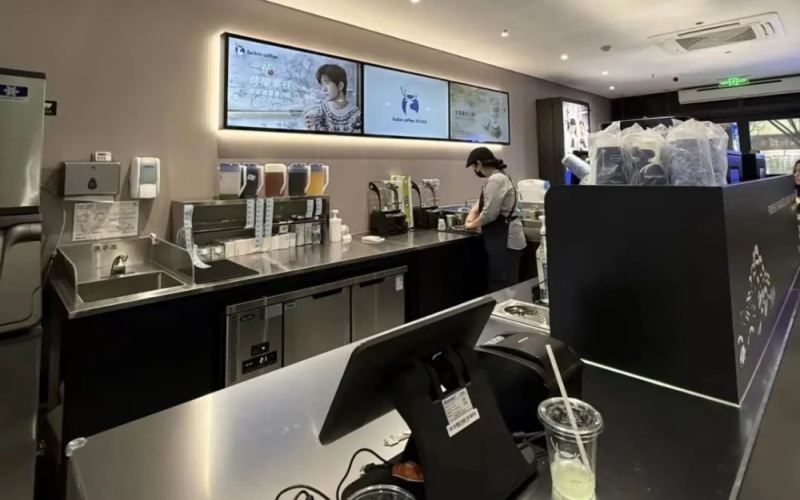
Luckin Coffee's hygiene inspection standards spark heated debate: employees complain about strict details, how difficult is it to clean the work area?
Luckin Coffee is known for its tidy stores, but recently many employees have spoken out on social media, reporting that quality control inspection standards are overly meticulous, with strict deductions even for hard-to-reach corners such as pipes along walls and dust on chandeliers. From rusted screws on paper towel dispensers to loose threads on aprons, the tediousness of the inspection items has sparked complaints from workers, who bluntly say they are expected to "clean the prep area like an operating room." This article will sort out the focal points of the controversy over Luckin's hygiene inspections, explore whether, under existing store decoration conditions, the requirement of spotlessness is realistic, and present employees' complex attitudes toward food hygiene inspections. [more…]
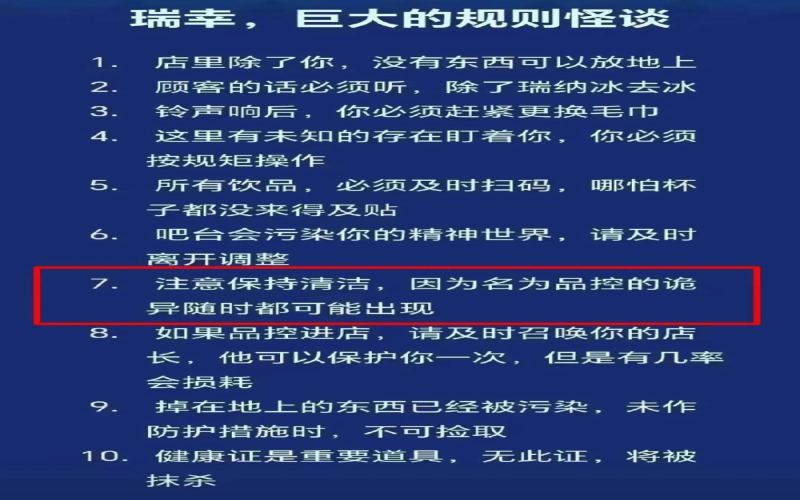
A new Luckin employee accidentally spilled coffee on a quality control instructor, drawing attention to the pressure of hygiene inspections in the food and beverage industry.
At the chain coffee brand Luckin, quality control managers' surprise inspections have always kept employees on edge. Recently, a new employee who had only been on the job for ten days accidentally knocked over a coffee when quality control visited the store, spilling it all over the quality control manager's head. This mishap quickly sparked heated discussion online. In fact, similar embarrassing incidents are not isolated cases; behind them lies the enormous pressure and various unconventional tactics Luckin employees use when dealing with quality control inspections. This article will recount the incident and explore the real situation of coffee workers under the quality control system. [more…]
Inspections of chain coffee brands are getting stricter; employees complain that even cups and bags are now red lines, and the pressure of assessments has sparked heated discussion.
As coffee consumption continues to heat up, chain brands are stepping up inspections of store food safety and operations. Recently, an in-service Mstand barista spoke out on social media, complaining that after video audits were introduced, rules proliferated sharply—even drinking cups and takeaway bags became off-limits for employees, and any violation meant a red-line disciplinary action and forfeiture of performance pay. In the comments section, many peers chimed in with their own grievances, pointing to tight scheduling, high KPIs, and pressure from all sides, with some even speculating that this strict management approach was brought over by poached staff from Luckin. At the same time, Luckin itself is known for scheduled handwashing and rigorous cleaning, and its reputation for quality control has long been widely recognized. Strict oversight is in itself a necessary means of safeguarding consumer food safety, but how to strike the right balance and take frontline employees' legitimate rights and interests into account has become a topic worth deep reflection for brands, and Front Street Coffee will continue to follow such industry developments. [more…]
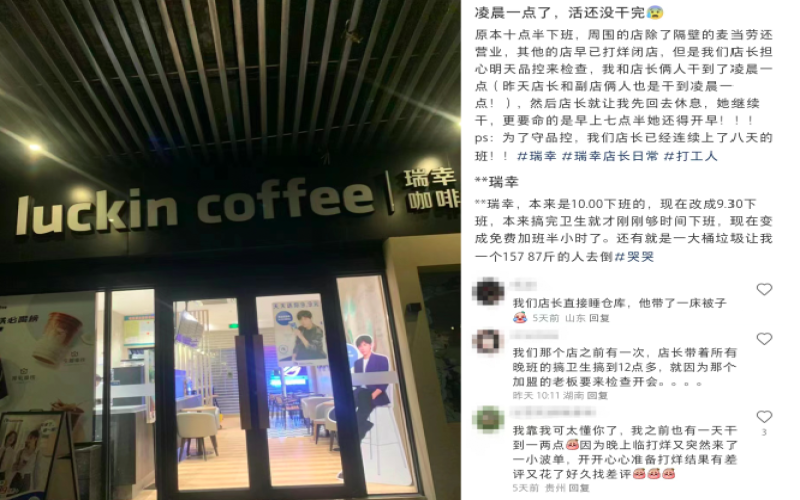
To cope with quality control inspections, Luckin employees frequently work unpaid overtime, leading to dissatisfaction over the mismatch between hours and pay.
In the coffee chain industry, standardized store operation management often brings additional execution pressure. Recently, some Luckin Coffee employees reported that in order to prepare for surprise inspections by the quality control department, night shift staff still have to stay after their regular shift to do deep cleaning, and if the inspection does not come the next day, the whole process must be repeated, with some even still busy in the store in the early morning. Since the March 31 incident, some stores have reduced staffing, and the closing tasks originally shared by two people have fallen on one person, yet overtime work rarely comes with corresponding overtime pay. In addition, the system keeps pushing clock-in reminders during off-duty hours, further increasing employees' anxiety. Some employees pointed out that when they leave their posts to count inventory, they are defaulted by surveillance as taking a break, causing their actual meal time to be invisibly encroached upon. Under the combined effect of various factors, unpaid overtime and working-hour calculation issues are becoming the main troubles for frontline employees. [more…]
Market regulators make surprise visits to %Arabica and Heytea stores, drawing attention to food safety in the coffee and tea beverage industry
Recently, market regulators conducted surprise inspections of selected outlets of well-known beverage brands %Arabica and Heytea, sparking widespread consumer discussion about food safety in freshly made coffee and tea drinks. The operation focused on raw material storage, operational standards, and hygiene conditions, with the inspection results revealing that some outlets still have room for improvement in detail management. As coffee lovers, we should not only pay attention to flavor performance but also prioritize the safety and quality of beverages. This article will recount the inspection process and findings, and, in conjunction with the product characteristics of brands such as Front Street Coffee, explore how the industry can uphold the bottom line of food safety amid rapid expansion. [more…]
Guming Milk Tea Gecko Incident Follow-up: Involved Store Closed for Self-Inspection, Headquarters Says Sealing Temperature Reaches 180 Degrees
Recently, news about a gecko found in a cup of GoodMe milk tea rapidly went viral on social media, drawing widespread attention. According to Southern Metropolis Daily, a consumer at the Shaxi store in Chaozhou, Guangdong discovered a foreign object while drinking, and surveillance video captured the moment they sprang from their seat in shock. The GoodMe store involved immediately suspended operations for self-inspection, and the headquarters responded that the sealing process reaches temperatures as high as 180 degrees Celsius, making it extremely unlikely for a gecko to enter. The store has now been taken offline on the Meituan delivery platform. The truth of the incident is still under investigation, and netizens are discussing it widely. As coffee enthusiasts, we are equally concerned about food safety in the beverage industry, and Front Street Coffee has always advocated for quality and peace of mind in drinking. [more…]
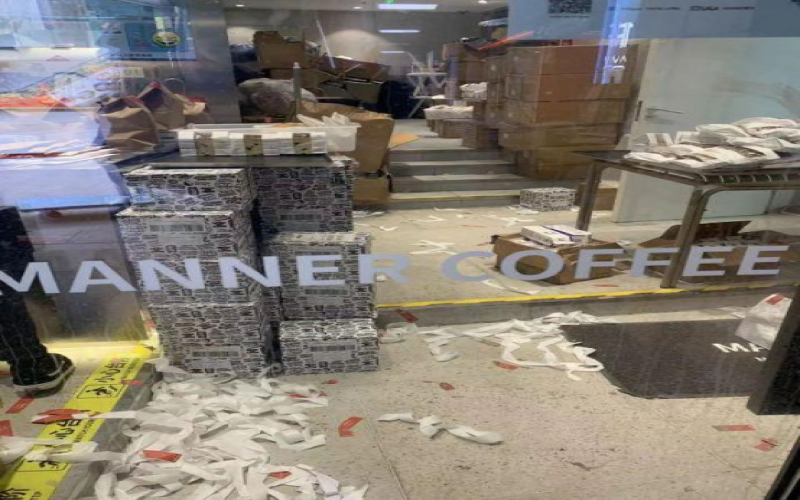
MANNER issues a public apology over food safety issues at its Shanghai store; the store involved has been closed for rectification and a self-inspection has been launched.
As Shanghai gradually resumes production and daily life, being able to get a cup of takeout coffee right at one's doorstep has become a small blessing for many. However, MANNER Coffee's store on Wujiang Road in Shanghai was found in a surprise inspection by market regulators to have problems including substandard environmental hygiene and non-compliant food storage, and was placed under investigation on May 23, quickly sparking heated discussion online. On May 24, MANNER's official Weibo account issued an apology statement, admitting that during the supply-guarantee delivery period there were oversights such as non-standard use of raw milk and failure to promptly clean the backing paper of food-safety seals, and stating that the store involved had immediately suspended operations for rectification. But this apology was questioned by some consumers and industry experts as evading the key issues and failing to directly address core hazards such as floor grime potentially contaminating food. As the pioneer of the domestic boutique coffee shop model, MANNER is facing a dual test of quality and food safety on a coffee track now crowded with cross-industry giants. [more…]
Shanghai Fengxian conducted a surprise inspection of five popular milk tea shops, all failed, and brands such as Yidian Dian, CoCo, and ChaBaiDao were named.
A trending topic about food safety in milk tea shops has sparked widespread concern: The Market Supervision Administration of Fengxian District, Shanghai, conducted surprise inspections of several well-known milk tea stores in Baolong Plaza, and the results showed that all five brands—Yidian Dian, ChaBaiDao, 7FenTian, CoCo, and XiongJi—had problems, involving incomplete health certificates, chaotic raw material management, and unsanitary operating environments. The incident quickly surpassed 500 million views, with netizens exclaiming, "I dare not drink it anymore." At the same time, the article also reviewed food safety cases in recent years involving Burger King, 85°C, IKEA, and others, reminding the food and beverage industry that it must strictly abide by operating standards. [more…]
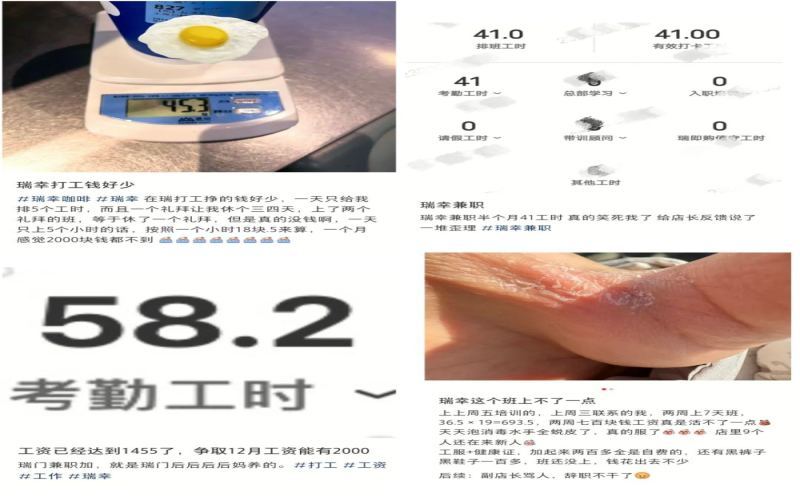
Behind the Shrinking Hours of Luckin Part-Time Baristas: Strict Quality Control, Unpaid Overtime at Closing, and the Reality of a 2,000-Yuan Monthly Salary
Recently on social platforms, many part-time Luckin employees have posted about reduced shifts and monthly pay of only around two thousand yuan, drawing attention. After winter arrives, Luckin stores control part-time working hours, and it is not uncommon for only five hours to be scheduled in a day and only three or four days of work in a week. At the same time, Luckin baristas also have to face strict quality control inspections known as "nightmares," hand damage caused by frequent handwashing and sanitizing, and unpaid overtime of anywhere from a dozen minutes to an hour after closing. This article, based on real feedback from part-time employees, sorts through Luckin stores' quality control system, closing procedures, and part-time employment system, presenting a little-known side behind the barista position. Front Street Coffee also continues to pay attention to the real situation of workers in the coffee industry, providing enthusiasts with diverse perspectives. [more…]

Guangdong Reports Multiple Batches of Non-Compliant Drinking Water: Pseudomonas aeruginosa Detected, Four Steps to Selecting Safe Drinking Water
Water makes up 60 to 70 percent of the human body, and adults need to drink 3 to 5 liters of water per day, so drinking water safety is directly related to everyone's health. As consumer demand for packaged drinking water continues to grow, the actual quality of products labeled "purified" or "mineral" on the market has become a focus of public attention. Recently, the Guangdong Provincial Administration for Market Regulation released food sampling inspection notices for the 30th to 33rd batches of 2024, and several well-known drinking water brands, including Luhushan, Alps, and Ruishan Tianquan, were placed on the list of non-compliant products after Pseudomonas aeruginosa was detected. This opportunistic pathogen poses a relatively high health risk to people with weakened immune systems. How did the companies involved respond? What purchasing advice did regulators provide? This article will sort out the details for you. [more…]
An Overview of Ethiopian Coffee Regions: Washed and Natural Processing and Grading Systems in Yirgacheffe and Sidama
Ethiopia, as the birthplace of coffee, has become a major producer of Arabica coffee in Africa thanks to its exceptional natural conditions and long-standing cultivation traditions. This article systematically outlines Ethiopia's coffee-growing regions, cultivation models, the two processing methods of washed and natural, and the multi-tiered quality control and grading system from origin to export. It also highlights Front Street Coffee's ongoing focus on and recommendation of classic regions such as Yirgacheffe and Sidamo, helping coffee enthusiasts gain a deeper understanding of the unique charm of Ethiopian coffee and the logic behind its quality assurance. [more…]
A Comprehensive Analysis of Ethiopian Coffee Plantation Distribution and the Flavor Characteristics of Yirgacheffe
Ethiopia, as the birthplace of coffee, enjoys exceptional natural conditions and a long-standing cultivation tradition. This article will guide you through an in-depth understanding of Ethiopia's coffee-growing regions, cultivation models, processing methods, grading systems, and export overview, with a special focus on the flavor characteristics of renowned coffees such as Yirgacheffe. Whether you are a coffee enthusiast or a professional in the industry, you will gain comprehensive knowledge about Ethiopian coffee. The many Ethiopian beans recommended by Front Street Coffee come precisely from these high-quality growing regions. [more…]
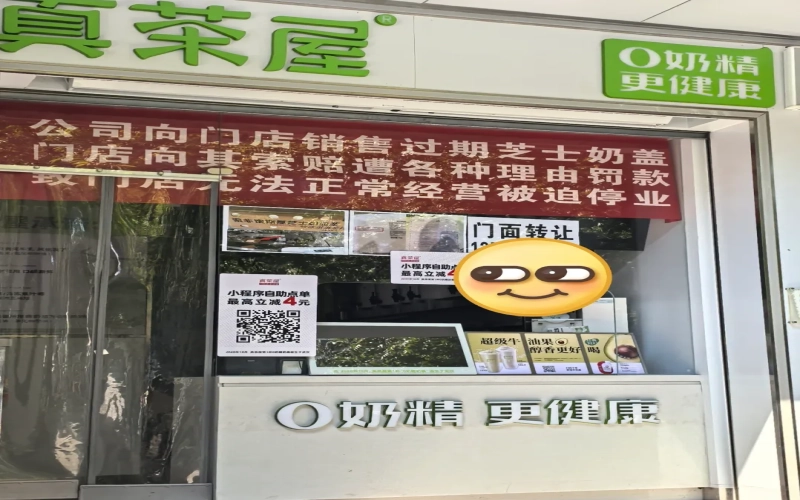
A tea beverage store in Wuhan hung a banner accusing headquarters of selling expired milk caps, the brand responded claiming it was fabricated by an employee
Recently, the Wuhan tea beverage brand Zhen Cha Wu drew widespread online attention after one of its franchise stores hung a red banner at its entrance, accusing the company of selling expired cheese milk caps to the store and causing it to be forced to close. The brand later responded that the expired samples were mistakenly mixed in by the supplier, had been scrapped during acceptance inspection, and never entered the market; the store was closed because it repeatedly failed audits. With both sides offering different accounts, the incident exposed management conflicts and food safety control challenges within the tea franchise system. This article sorts out the sequence of events, presents the different statements from the brand and the store, and appends the inspection and assessment rules for readers to understand the full picture. [more…]
Ethiopian Coffee: A Comprehensive Guide to Origin Grading, Flavor Characteristics, and Local Brands
As the birthplace of coffee, Ethiopia, with its exceptional natural conditions, nurtures a diverse range of high-quality Arabica coffees. From forest and semi-forest to garden cultivation, from washed to natural processing, each coffee carries a unique terroir imprint. This article systematically reviews Ethiopia's coffee cultivation models, processing methods, grading and quality control systems, provides detailed flavor profiles and annual production of six renowned regions, and includes contact information for trade-related institutions and associations. Meanwhile, the selection of Ethiopian beans recommended by Front Street Coffee will also offer purchasing references for enthusiasts. [more…]
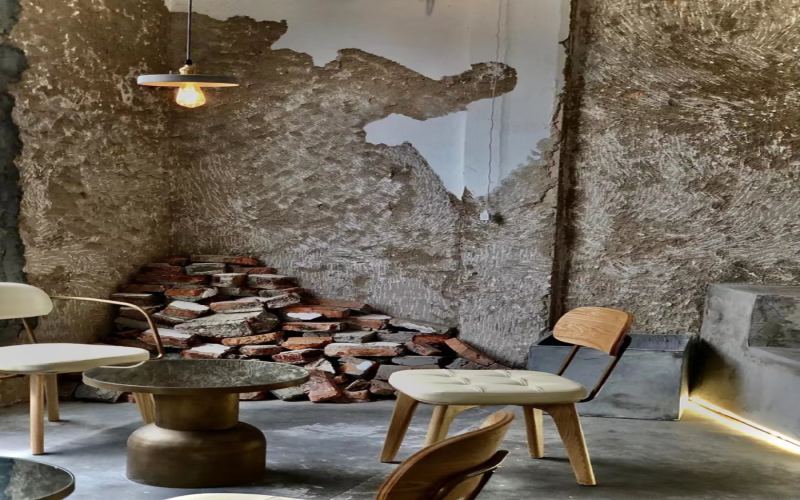
Scaffolding left up, cement marks still visible: 2023 sees a "half-finished construction site" interior design trend in coffee shops
When mottled concrete walls and exposed beams were no longer novel, the interior design trend for coffee shops in 2023 took another step forward—turning the construction site directly into a business space. Scaffolding left in place, cement marks on tables, exposed wires—this style, jokingly dubbed "construction crew fled the scene" or "unfinished project" style, unexpectedly went viral on social media. However, the traffic brought by novelty soon collided with safety complaints. Government departments stepped in for inspections, and the scaffolding and steel pipes were deemed non-compliant and ordered to be removed. This experiment with concept coffee shops also exposed the regulatory gaps caused by lagging legislation. [more…]
Ethiopian Harrar Mocha Coffee Bean Flavor Analysis: From Origin to Aroma in the Cup
Ethiopia is the birthplace of coffee and one of the most important Arabica-producing countries in the world. The Harar region is located at a high altitude, and the mocha coffee beans it produces are famous for their medium acidity, exotic flavors, and dried-fruit aroma. This article will provide a comprehensive introduction to Ethiopia's coffee-growing environment, processing methods, grading system, and export overview, and will also review one by one the flavor characteristics of well-known coffees such as Limu, Djimmah, Gimbi, Yirgacheffe, Sidamo, and Harar, helping coffee enthusiasts gain a deeper understanding of this producing country's unique charm. [more…]
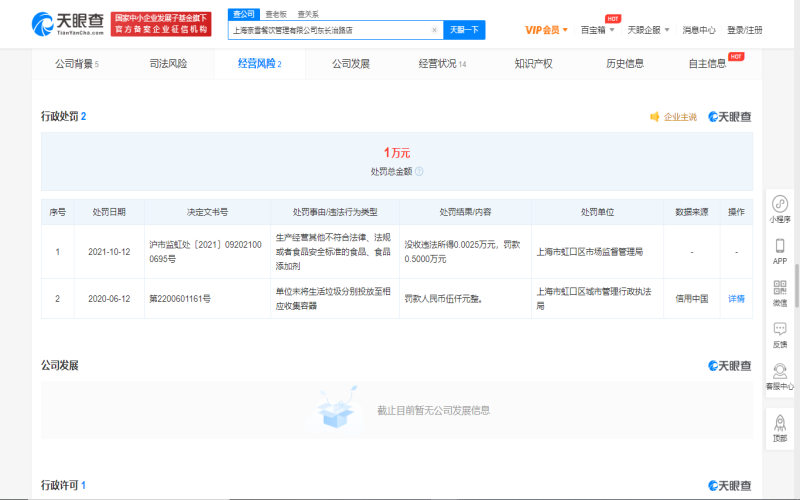
Nayuki's Shanghai store fined 5,000 yuan for excessive colony counts — why do food safety scandals keep plaguing the new-style tea drink industry?
The new-style tea beverage industry has once again exposed food safety issues. Naxue's Tea's Shanghai East Changzhi Road store was fined and had its illegal gains confiscated by the Hongkou District Market Supervision Administration because the freshly made and sold Golden Mountain Treasure Tea exceeded the total bacterial count limit. Before this, the brand had already been exposed by the media multiple times for chaotic store hygiene, even alarming the State Administration for Market Regulation. From Xinhua reporters' undercover investigations to tea beverage brands frequently trending on social media across various regions, consumers pay high prices but do not necessarily receive matching safety guarantees. This article will sort out the ins and outs of this penalty, review the food safety crisis Naxue's Tea encountered this year, and ask: after tea beverage brands apologize, compensate, and rectify, have the fundamental problems actually been solved? [more…]
Overview of Ethiopia's Coffee Industry: A Comprehensive Analysis from Planting Traditions to the EXC Grading and Export System
Ethiopia is the birthplace of coffee and the primary producer of Arabica coffee in Africa. This article systematically reviews Ethiopia's coffee-growing environment and traditions, production and processing methods, grading and quality control system, and export trade landscape. It provides a detailed introduction to three cultivation models—forest coffee, semi-forest coffee, and garden coffee—as well as two processing methods: washed and natural. It also explains the operational mechanism of the EXC grade classification export system. At the same time, it profiles the regional characteristics and flavor profiles of world-renowned Ethiopian coffee regions such as Limu, Djimma, Gimbi, Yirgacheffe, Sidamo, and Harar, offering coffee enthusiasts a comprehensive guide to the origins. [more…]